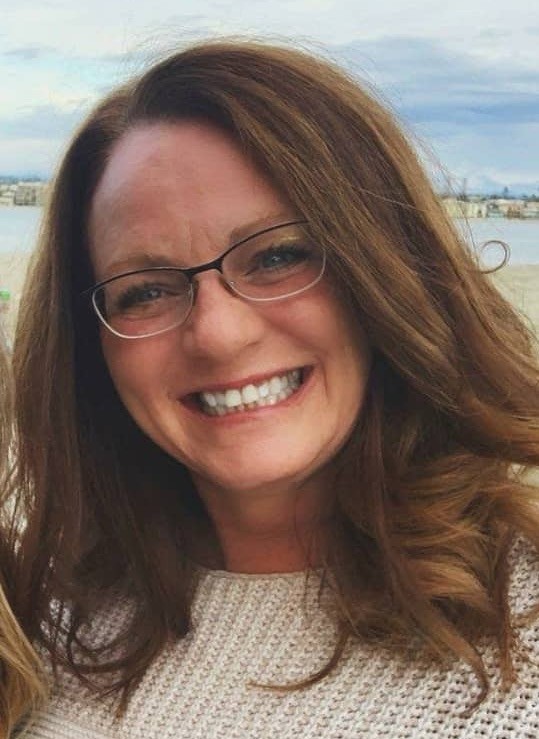
 When Theresa Dineen joined Spectrum Health Systems in 2011, she was making a major career change. Before working in addiction treatment, she spent many years as a paralegal at a large international corporation. While she had built a successful career, she began to feel that something was missing. She wanted to do work that felt more directly connected to helping people.
At the same time, addiction had affected several people in her own family. Loved ones were struggling with addiction, and Theresa wanted to better understand what they were going through.
“I just felt as though it wasn’t where I was supposed to be,” said Dineen. “I wasn’t helping anybody, and I wanted to learn more about what my family members were going through.”
That personal connection helped lead her to Spectrum. One of her nephews had received treatment through the organization and suggested she look into opportunities there. Theresa started as a part-time recovery specialist with no formal background in addiction treatment, but with a strong desire to learn.
From the beginning, she leveraged all of the training and education available to her. Over time, that commitment helped her grow within Spectrum and build a career focused on supporting patients and staff.
Prioritizing Compassionate Leadership
Today, Theresa serves as program director for Spectrum’s Weymouth Clinical Stabilization Services program. She’s held a director role since 2016, first working with the young adult program for males ages 18 to 25 before moving to Weymouth in 2021.
Clinical Stabilization Services represent one of the earliest steps in a person’s addiction recovery journey. Many patients come to the program after detox or a hospital visit. They may still be uncertain about what recovery will look like for them or what steps they should take next.
In this position, Theresa oversees the day-to-day operations of the program. That includes ensuring patients’ clinical needs are met, ensuring the program follows directives from Spectrum and the Commonwealth of Massachusetts, and supporting the staff who provide care each day.
Theresa sees part of her role as helping patients understand that there isn’t a single path forward. Each person enters treatment with different goals and circumstances. By offering individualized support, Theresa and her team help patients identify the next steps that make the most sense for them.
Supporting Patients and Staff
The most rewarding part of Theresa’s work is helping people grow. That includes patients beginning their recovery and staff members building their skills in the field.
She values the opportunity to guide patients through the early stages of treatment and introduce them to different recovery options. At the same time, she sees mentorship as an important part of her role as a director.
Theresa has spent 15 years learning from colleagues and leaders across Spectrum. Now, she can share that experience with staff members who are newer to the field or continuing to grow in their roles. As staff members gain confidence, they’re better able to support patients through some of the most vulnerable moments of their lives.
She’s also seen addiction treatment evolve. Through those changes, she believes Spectrum’s focus on individualized care has remained one of its greatest strengths. Theresa sees that commitment across the organization, from counselors and recovery specialists to kitchen staff and aftercare coordinators. Every role contributes to the patient experience, and every interaction can help someone feel more supported.
Her career path reflects Spectrum’s commitment and investment in its employees. She came to the organization without direct field experience and found mentorship and opportunities to grow.
“Spectrum just offered everything that a person could need to learn and advance within the organization,” said Theresa. “They really are a company that values their staff.”
Change is Possible
Theresa understands that taking the first step in addiction treatment can be difficult. Not everyone feels ready right away, and addiction can make it hard to ask for help even when someone knows they need support.
“Act when that moment of readiness comes,” said Dineen. “Help may start with a phone call or a visit to an emergency room. That first step can open the door to treatment and begin the recovery process.”
For families supporting a loved one, she emphasizes the importance of self-care. Theresa says, “I know how overwhelming that experience can be. Loved ones need support too, whether through therapy or groups with people who understand what they’re facing.”
Families don’t have to carry that burden alone. By finding support for themselves, they’re better able to care for their own wellbeing while also offering healthier support to their loved ones.
Spectrum collaborates with Magnolia Recovery Resources to offer the Magnolia FAST© Family Support Meeting Series, a free, virtual support group series providing families with knowledge, connection, and inspiration. Led by a member of Spectrum’s clinical staff, each weekly session includes a brief educational presentation, time for sharing, open discussion, and support, and concludes with a guided self-care activity.
Recovery begins with connection and the understanding that change is possible. Through her leadership at Spectrum’s Weymouth CSS program, Theresa helps create that foundation every day.
If you or a loved one is struggling with alcohol addiction or a substance use disorder, call Spectrum Health Systems today at 1-877-MyRehab.