Conversations for Change: A Motivational Interviewing Series
Meet ambivalence with skill, compassion, and clarity.
Conversations for Change is a practical Motivational Interviewing training series designed to support effective communication in areas where ambivalence is common and change is difficult. Applicable to substance use treatment, health behavior change, and other complex goals, the series builds clinician confidence in engaging, guiding, and sustaining meaningful conversations without relying on confrontation or persuasion.
Target Audience: Social workers, mental health clinicians, counselors
Content Level: Beginner / Intermediate
Cost: $39 per individual session, or $139 for the full four-session series (discounted rate). *Offering a limited amount of partial scholarships– if interested, please contact rachel.sasseville@spectrumhealthsystems.org.
Sessions
The Spirit of Motivational Interviewing: How We Show Up
From Questions to Reflections: Core Motivational Interviewing Skills
Working with Ambivalence without Getting Stuck
The Brief Negotiated Interview: Motivational Interviewing When Time Is Short
Continuing Education Information
1.5 Continuing Education Credits per session:
- Spectrum Health Systems, Inc. has been approved by NBCC as an Approved Continuing Education Provider, ACEP No. 6931. Programs that do not qualify for NBCC credit are clearly identified. Spectrum Health Systems, Inc. is solely responsible for all aspects of the programs.
- This course is approved by Spectrum Health Systems, Inc., as a NAADAC Approved Education Provider, for educational credits. NAADAC Provider # 89245, Spectrum Health Systems, Inc. is responsible for all aspects of the programming.
- Spectrum Health Systems, Inc., Provider # 1921, is approved as an ACE provider to offer social work continuing education by the Association of Social Work Boards (ASWB) Approved Continuing Education (ACE) program. Regulatory boards are the final authority on courses accepted for continuing education credit. ACE provider approval period: [1/17/2025-1/17/2028]. Social workers completing this course receive 1.5 general continuing education credit(s).
In order to be eligible for continuing education credit, the participant must attend 90% of the program and complete the training evaluation within 24 hours of the end of the program. There is no registration deadline. All registrants will receive access to the recording and slides after the session. CE credits are not available by watching the post-session recording. All sales are final. If you are in need of accessibility accommodations during a training activity or have any other questions / concerns including grievances or a bibliography of works used in these sessions, please contact Avery Kasten, Training Coordinator, at avery.kasten@spectrumhealthsystems.org.
Facilitators
 Lynn LeBlanc-Marrone, LMHC, CADAC-AD serves as Spectrum’s Executive Director of Inpatient & Outpatient Clinical Services. She is a highly experienced clinician and trainer with decades of experience serving individuals, couples and families. She oversees clinical services throughout Spectrum’s continuum of substance use care. In addition to her role at Spectrum, Ms. Marrone is a national presenter and has worked as an adjunct faculty member in the counseling psychology graduate programs at Assumption University and Anna Maria College.
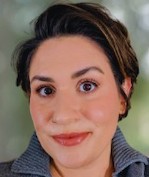 Rachel Sasseville, LICSW, LADC-I serves as Director of Corporate Training at Spectrum Health Systems, where she leads organization-wide clinical training and workforce development across inpatient, outpatient, correctional, and peer recovery programs. Her work focuses on building practical, evidence-based training that supports high-quality, person-centered care and clinician resilience. In addition to her leadership role, Rachel maintains a private psychotherapy practice, working with adults around anxiety, grief, life transitions, trauma, and substance-related concerns using CBT, ACT, DBT, and motivational interviewing approaches. Rachel is also an adjunct instructor in counseling psychology and addiction counseling programs, teaching core concepts in addiction and recovery, assessment and diagnosis, the treatment continuum, and professional practice.